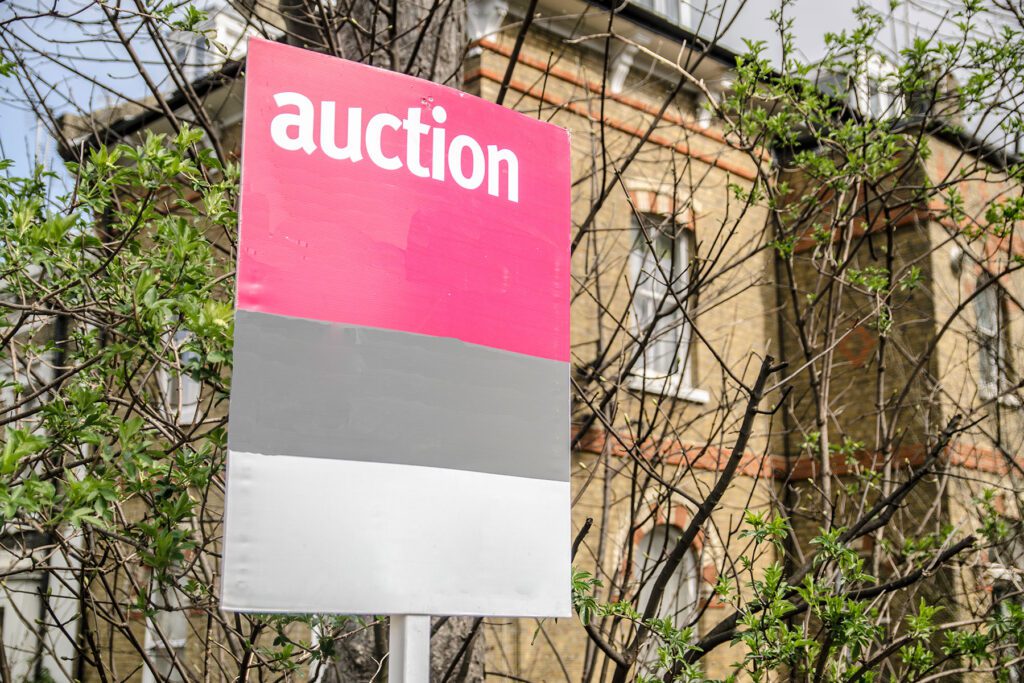
Purchasing a property at auction can be an exciting opportunity. Auctions often offer competitive prices, fast turnaround times, and access to properties that may not be available on the open market. However, the speed and finality of the auction process also bring significant legal and financial risks that buyers must understand before placing a bid.
This guide explains how the auction process works, what steps buyers should take before and after the auction, and why early legal advice is essential.
Before you bid, do your homework
Once you find a property you like, the first thing you should do is look at the legal pack. This is a bundle of documents prepared by the seller’s solicitor, and it explains exactly what you’re buying. It will usually include:
- Official copy of the title register and title plan
- Special conditions of sale
- Searches (local authority, water & drainage, environmental)
- Lease (if leasehold)
- Property Information Form
It is crucial to have a solicitor review this legal pack and we would advise you arrange for this to be done as soon as you find a property you want to bid on.
At auction, you buy the property exactly as it is and subject to whatever is in the legal pack. If the property has a short lease, missing access rights, planning breaches or unexpected fees, you are agreeing to take these on the moment you place a bid.
A solicitor will read the legal pack, highlight anything unusual, explain what the risks mean in practice and confirm if the property is mortgageable.
Sorting your finances
Because auctions move quickly, you need to have your finances prepared in advance. If you win the bid, contracts are exchanged immediately (if a traditional auction) and you will be expected to pay a 10% deposit. The remaining balance is usually due within 20 to 28 days.
If you’re planning to use a mortgage, make sure your Solicitor is aware of this from the beginning and that the lender can work within the auction timescales.
Failing to complete on time can be expensive. Buyers risk losing their deposit, paying interest and potentially being sued by the seller. Having your finances ready will save a lot of stress!
Auction day: when the hammer falls
If your bid is successful, you sign the auction paperwork there and then, and you are legally bound to complete the purchase. There is no cooling‑off period and no ability to raise legal concerns after the event.
After the auction: getting to completion
After the auction, there is a short period between exchange and completion.
During this stage, your solicitor will:
- Deal with any outstanding legal requirements
- Request completion funds from the buyer
- Carry out final searches (if required)
- Request mortgage funds (if applicable)
- Prepare the transfer deed
- Agree completion arrangements
In summary
The most important message for auction buyers is simple: instruct a solicitor before you bid, not afterwards. Once the hammer falls, you are legally bound to complete, and if a serious legal issue arises at that point, it is usually too late to withdraw without significant financial consequences.
Purchasing at auction can be an efficient and cost‑effective route into property ownership, provided that the process is approached with careful preparation and informed professional guidance. With the right advice at the outset, you can participate in an auction with confidence, clarity and the ability to act decisively.
If you are considering buying at auction, our team would be pleased to review the legal pack on your behalf and support you throughout the entire process.