At the heart of Charles Dickens’s Bleak House is a legal dispute. I don’t mean the wills case of Jarndyce v Jarndyce, but the dispute between Lawrence Boythorn and Sir Leicester Deadlock over a right of way… “the green pathway by the old parsonage-house, now the property of Mr Lawrence Boythorn, is Sir Leicester’s right of way, being in fact a portion of the park of Chesney Wold, and Sir Leicester finds it convenient to close up the same.”
Boythorn then describes what sounds like a typical right of way dispute:
“The fellow sends a most abandoned villain with one eye to construct a gateway. I play upon that execrable scoundrel with a fire-engine until the breath is nearly driven out of his body. The fellow erects a gate in the night. I chop it down and burn it in the morning. He sends his myrmidons to come over the fence and pass and repass. I catch them in humane man traps, fire split peas at their legs, play upon them with the engine–resolve to free mankind from the insupportable burden of the existence of those lurking ruffians. He brings actions for trespass; I bring actions for trespass. He brings actions for assault and battery; I defend them and continue to assault and batter. Ha, ha, ha!”
Bracing, but familiar to anyone who’s been involved in these most intractable of arguments.
What causes a dispute?
More or less anything connected with a right of way can cause a dispute. For a start, rights of way can spring up even when they’re not written on the face of a document. In 1837, Edward Collingwood conveyed his family chapel in Northumberland to the Church Commissioners, but retained his family’s burial vault, which was in the centre of the chapel. With the vault, the conveyance reserved Collingwood and his successors the right to open the vault, use it and repair it, but said nothing explicitly about accessing the vault through the chapel.
By 2004, the chapel was redundant, and the Church Commissioners sought to sell it to be converted into a house. Unfortunately for the Commissioners, in Collingwood King v the Diocese of Newcastle in 2019, the Court found that members of the Collingwood family still owned the vault, and that, although the conveyance did not mention a right of way, it was included by implication, because it was needed “to give due and proper effect” to the rights to use and repair the vault.
Limitations on use
1. Who can use
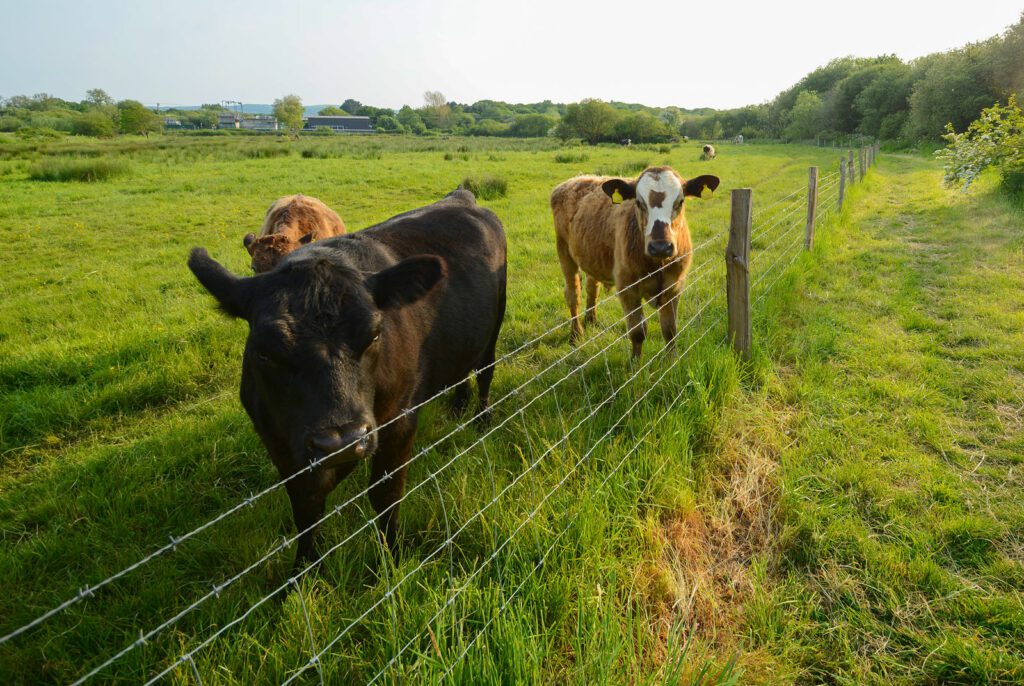
But then, when you have a right of way, who can use it, and with what? In Ballard v Dyson in 1808, Lord Mansfield held that a right of way that had been used with vehicles (carts and carriages in those days) and “fat hogs” did not extend to “horned cattle”, which would be “indictable for a nuisance” and “an intolerable annoyance to the grantor.”
2. How can it be used
How a right of way is used can also be ripe with dispute. Of course, someone could drive dangerously quickly, but what if they drive suspiciously slowly? In Jeffries v Robb in 2012, the Court found that Mr and Mrs Jeffries were using a right of way very slowly, lingering and loitering along it and parking, for “intrusive photography, spying and eavesdropping” on Robb, and that such “intrusive snooping” amounted to “a campaign of unlawful harassment.” Accordingly, an injunction was issued against the Jeffries, requiring them to use their right of way “at a reasonable speed.”
3. Types of vehicles
And what about the types of vehicles that can use a way? In Lock v Abercester in 1939, Mrs Lock, with the help of “a cloud of witnesses” whose “evidence is unimpeachable”, demonstrated that she had a right of way along a farm track in Worcestershire with horses and carts. Over time, the horse and cart had been supplanted by the internal combustion engine and mechanically propelled vehicles. The farmer was not happy, but Mr Justice Bennett declared that, “The law must keep pace with the times”, and so Mrs Lock was able to drive her motor car along the track.
Over time, those vehicles have become larger and heavier. And the law has continued to keep pace with them. In 2012, in Zieleniewski v Scheyd, Paul Zieleniewski had a right of way to drive his agricultural vehicles over some hard-standing. In 2009, Mr Scheyd had erected a wall and fence, which made the land rather narrow in places, so that, while a tractor could still be driven along it, a large modern hay-baling machine could not. The Court found that the erection of the fence and wall was an unlawful interference with the right of way.
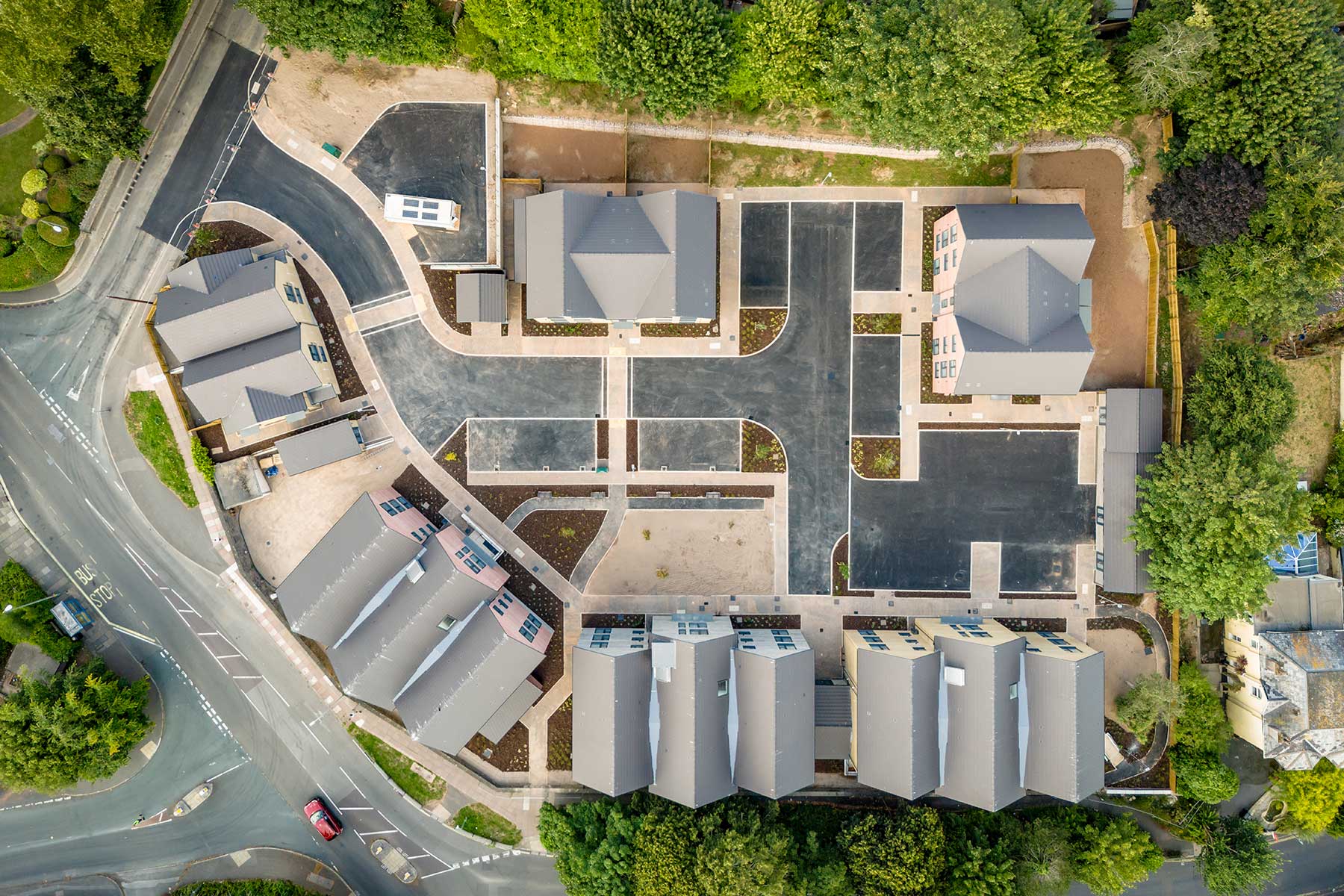
And what about other kinds of vehicles? Bucknell v Alchemy Estates in 2023 involved a yard which benefited from “a right of way at all times and for all purposes to pass and repass over the roadway coloured brown on the said plan with or without animals and vehicles”. Alchemy Estates was a property developer, and started using the roadway with construction traffic for the development of the yard. Mrs Bucknell sought an injunction on the basis that this use of the roadway exceeded the right of way, and was a nuisance. The judge found that, while a right of way must not be used excessively (which means one user cannot interfere with the rights of another), Alchemy Estates’ use had not been excessive; demolition and construction are facts of everyday life, and while there must be “give and take” in relation to them, they are not an actionable nuisance. So the right of way extended to construction traffic.
What to do
So how can we help you avoid disputes like this, and save you from having, like Lawrence Boythorn, to send out the Myrmidons (the fearsome followers of Achilles in the Trojan War)?
The cases on rights of way generally demonstrate two things:
- That whatever the problem, you can find a case that says exactly what you want, and another that says exactly the opposite (some call this “the fundamental rule of easements”).
- Why rights of way clauses in deeds have become longer over time. More words and conditions are added to try to short-circuit disputes.
The solution is to draft the right of way as clearly as possible. If it is to be on foot only, say so. If vehicles are permitted, what kind? One of the most important things to specify is what the land that is being accessed by the right of way can be used for. You might be happy to grant someone a right of way to drive his tractor down your lane to reach his field, but if he built 500 houses on the field, you might not be overjoyed to see 500 cars on the lane. So we might provide that the right of way is for the use of the property “as agricultural land but not for any other purpose”. And in case he starts driving like a lunatic, or loitering suspiciously like Mr and Mrs Jeffries, we can include a condition that the person using the right of way must abide by any reasonable directions of the landowner.
In some cases, it will be prudent to reserve to the landowner a right to vary or “lift and shift” the route of the right of way, in case you want to develop the land. Bearing in mind that a right of way can include a right to maintain the track or roadway (on the basis that the grant of an easement includes any ancillary rights that are necessary to exercise it), we would consider who in practice will maintain the track, and how it will be paid for (in “reasonable proportions according to use”, or would a fixed percentage be cleaner in some instances?).
Thinking about these and other questions when a right of way is being granted will help to prevent them from catching you unawares if they become points of dispute in future.
In short, when we are dealing with rights of way, we will liaise closely with our clients and their agents and consider, practically and in detail, how the right should be drafted to protect our clients and neutralize future arguments.