

Print article
Author
Article:
This article was first published in AgriLore Spring 2026. To explore the full edition and related insights, view the publication here.
Whilst England has always been thought to have high animal welfare conditions, new reforms set the direction of travel for improving these standards further, thereby ensuring that animals experience a good life throughout all life stages. Animal welfare is become increasingly valued and important for farmers’ long term economic resilience.
Two recent reforms are the Animal Welfare Strategy published by the government in December 2025 and the Dogs (Protection of Livestock) Amendment Act 2025 which came into force on 18 March 2026.
This article summarises some of the headline points for farmers set out within these proposed reforms and legislation.
Animal Welfare Strategy
This strategy’s primary aim is to set out the steps the Government wants to take to improve welfare standards by 2030 in the following four areas: farmed animals, companion animals, wild animals and international trades and standards.
Key topics are:
1. Livestock cages
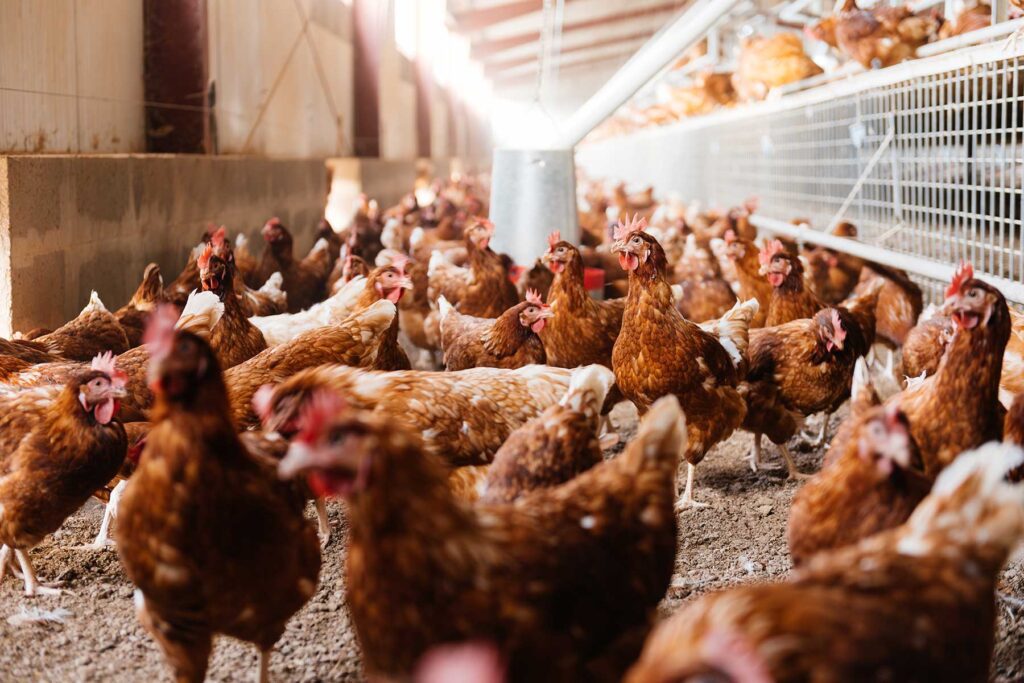
This includes the transition from a confinement ‘cage-based’ system of rearing livestock, phasing out of enriched ‘colony’ cages for laying hens and bringing to an end the use of farrowing crates for sows over a transitional period.
2. Welfare conditions
The reforms are set to improve the welfare of animals throughout their life. Of particular note is the focus on ensuring humane conditions at the time of livestock slaughter for example by improving the welfare for farmed fish, phasing out the use of CO2 gas stunning of pigs and encouraging an end to the culling of male laying hen chicks.
3. Breeding practices
The improvement of breeding practices would be supported by tackling responsible breeding and promoting the use of slower growing breeds of chickens.
Farmers should review their farming practices to ensure they will be able to comply with any changes and to limit the risk of enforcement action. The government has emphasised the need to work in partnership with industry.
How this will work in practice remains to be seen but early indications show that the government is prepared to have consultations with stakeholders within the farming industry on the practical details of the reforms. Farmers should be ready to share their views as to how any new legislation or guidance should look like in practice.
Dogs (Protection of Livestock) Amendment Act 2025
Many farmers will be relieved by some of the changes this Act has brought to protect their livestock from livestock worrying and attacks.
Key changes are:
- Attacking livestock is worded more clearly and as a separate offence from that of worrying livestock to better distinguish violent attacks.
- Camelids (i.e. llamas and alpacas) are offered the same protections as farmed livestock.
- Livestock attacks and worrying on roads and pathways will now be caught.
- The penalty for breaches has been increased to an unlimited fine (from a fine of £1,000).
- The police will be given new and improved powers including the ability to seize, detain and take samples.
Conclusion
Regardless of the above amendments, farmers should ensure they have fencing showing their land is privately owned and providing advice regarding dog control on their land.
The landscape of farming sector is changing – with the Farming Roadmap expected later this year, the new Farming and Food Partnership Board, and the expected response to the Farming Profitability Review. Taking animal welfare seriously and adjusting farming practices accordingly will allow farmers to stay ahead of the curve and in line with the direction of travel.