Print article
Author

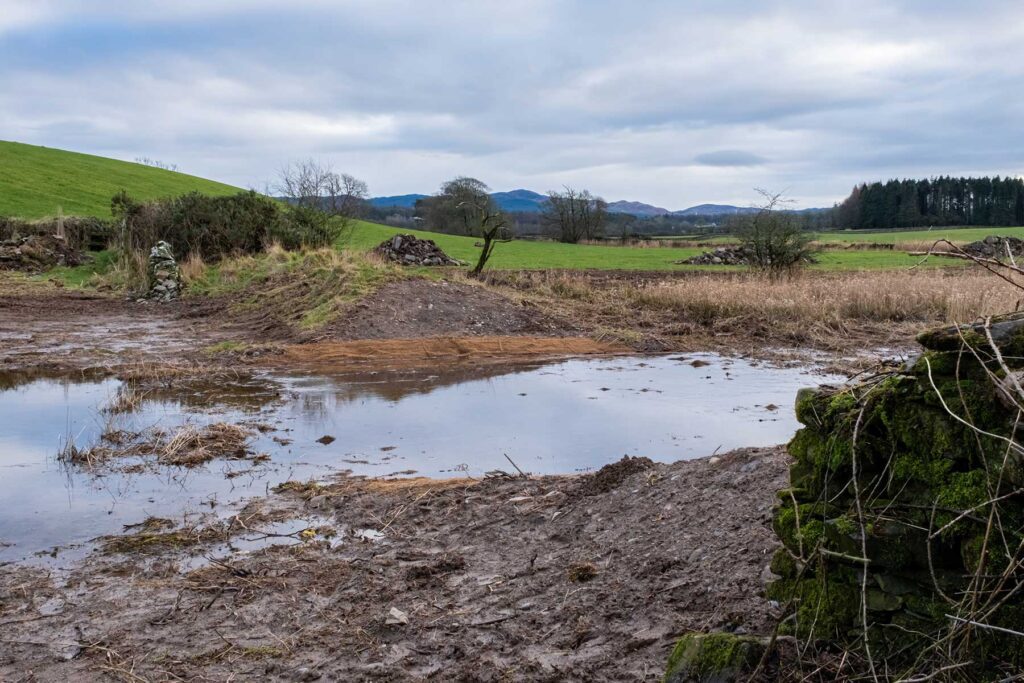
The Landscape Recovery scheme, the highest level of Defra’s Environmental Land Management schemes, aims to drive significant environmental and other outcomes by funding large-scale projects with ambition to generate long lasting landscape and use changes through the engagement of multiple participants and third- party investors. Entering part of an estate into such a scheme can be an attractive proposition and a way to diversify income streams as well as strengthen connections and resilience within the local community for the wider good.
Many of the proposed projects seeking Defra funding under the Landscape Recovery scheme require effective collaboration between large groups of participants (including landowners, tenant farmers and land managers) across hundreds or even thousands of acres of land. The focus is often, and quite rightly, on the possible interventions, the environmental and commercial outcomes and the structure of the delivery vehicle set up to oversee the project. But what, as a potential participant in a scheme, should be considered? Here are a few points to think about:
While the participants will be able to undertake much of the work required to settle land management plans and provide information about the land directly, it may also be beneficial to take legal advice, or the advice of a surveyor to assist in what can be a complex process. The advice given by the professional team acting for the project has at its heart, the interests of getting the scheme into the delivery phase. Obtaining separate legal advice will ensure that the specific interests of a participant in relation to land, business and family circumstances are considered.
Best practice in Landscape Recovery schemes is developing, which means that all parties involved are breaking new ground and there is a great need to hear voices with different perspectives. We have experience of working with various parties engaged in bringing forward projects for Landscape Recovery scheme funding, so if you are considering becoming a participant in a project and have any queries or concerns, please do contact us if you would like to discuss any aspect further.