Print article
Author


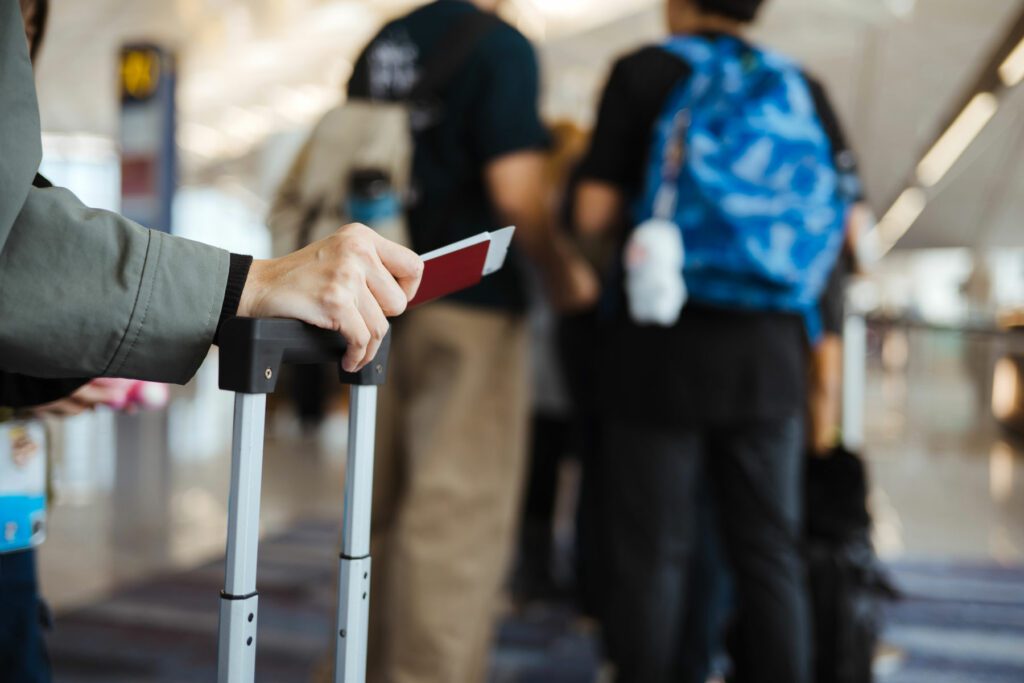
Significant changes to the UK’s border and immigration system took effect on 25 February 2026, and these will directly impact British dual nationals who travel to the UK without a British passport. The Home Office has now moved to full enforcement of its Electronic Travel Authorisation (ETA) scheme, and with it, the requirements for proving the right to enter the UK have fundamentally changed for all nationals of visa-exempt countries.
From 25 February 2026, British citizens who hold another nationality must demonstrate their right to enter the UK before boarding a flight, ferry or train. Airlines and carriers are now under strict instructions to refuse boarding if a dual national cannot provide acceptable evidence of their British citizenship.
This change reflects the Home Office’s final phase of ETA enforcement, in which non‑visa nationals (e.g., EU, US, Canadian, Australian, New Zealand etc. passport holders) must hold an ETA before travelling. However, British citizens cannot obtain an ETA. Because of this, dual nationals travelling only on their foreign passport will now be stopped at check‑in.
There are two formal options, which are:
A valid British passport is the simplest and most reliable way to prove the right of abode and avoid ETA issues entirely.
All British citizens are entitled to a British passport, even if they have never held one before. However, applying for a British passport for the first time can be complex, with the process generally taking significantly longer than a renewal or single nationality case due to the rigorous checks required. If applying from overseas, this will likely cause further delay, particularly if additional documents or information are required.
This is endorsed in the individual’s foreign passport and is a recognised exemption under the ETA provisions.
It is a more costly process than applying for a passport (£589), and can occasionally take longer than applying for a passport.
We do not recommend relying on an expired British passport as evidence of your British nationality when travelling. As noted above, acceptance of this will vary between carriers, and given that airlines now face significant penalties for permitting travel without the correct documentation under the new ETA rules, it is increasingly unlikely to be accepted.
British dual nationals planning travel to the UK should:
Given the immediate enforcement and the lack of a grace period, early preparation is essential. We have significant experience supporting clients with passport applications, particularly where there is a complex or unclear history, or with rejected applications. If you require our support, or wish to discuss the ETA changes further, please do not hesitate to contact us.